
The Cost of Pilot Training in India

The cost of pilot training in India is often the most important question for prospective flying students - and we can see why. Pilot training is a huge financial commitment and they want to know what they're getting into. At 70 Knots Aviation, we see students confused by the disarray of information and pricing, and evasive answers from institutes almost every week. That's why we have this guide. We break down the cost of pilot training in India and help students make informed decisions regarding their aviation career. This guide details the cost of pilot training in India, what you can expect to pay, and how to pick your flight school. We hope this answer helps you in your research - whether you are looking for options, or focusing on a specific aviation school.
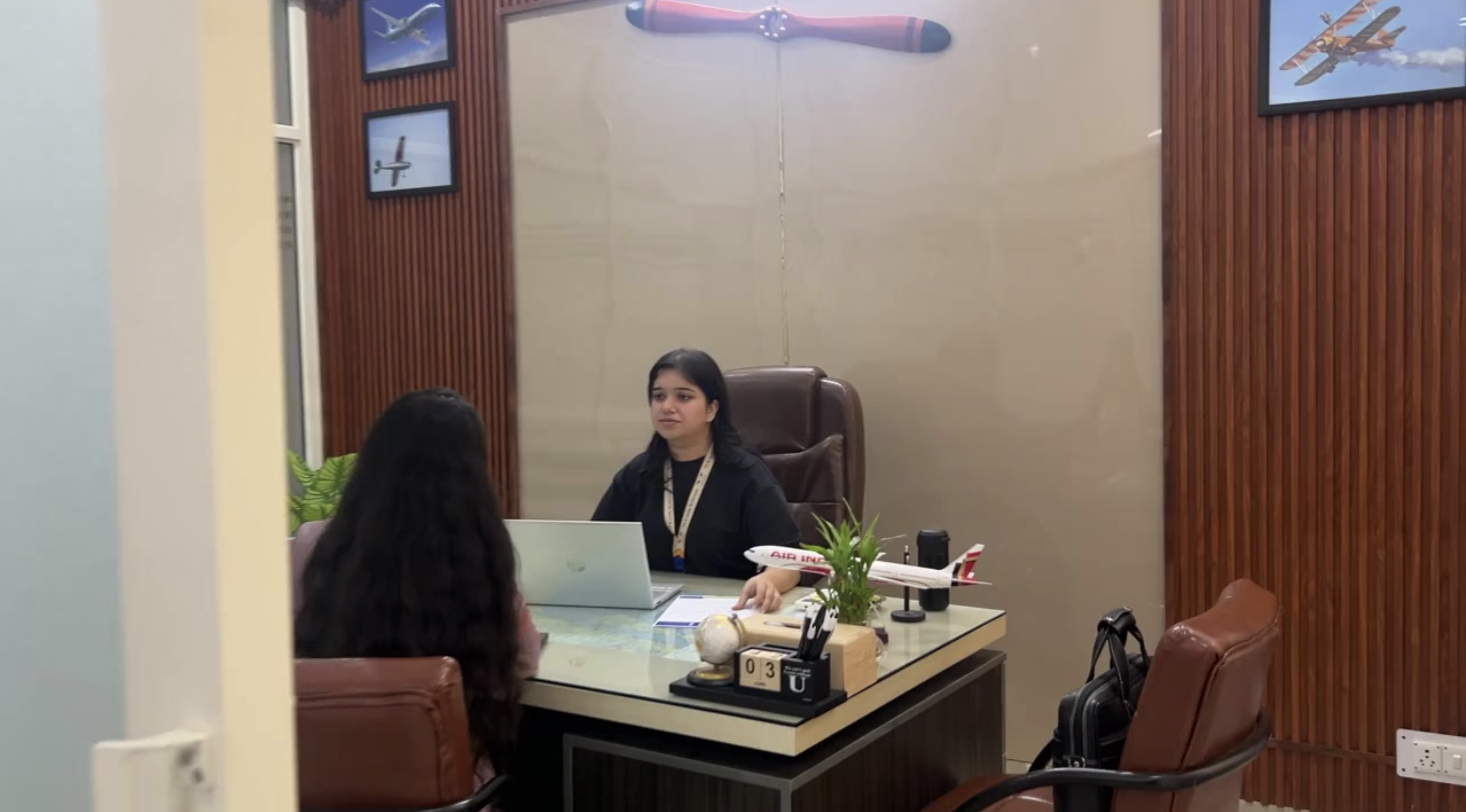
Pilot Course Fee Breakdown

The price of pilot training is different at different aviation schools, and for good reason. Some schools use better equipment, have a better training staff, or are simply in nicer places. The costs also reflect the amount of flight time included in the package. There is no standardization of training for pilot education, so it may be tough to compare cost among them. Some schools offer packages where they include everything, such as the ground school and the flight simulators, while others will bill you separately for each item in the package. At 70 Knots Aviation, we adopt the mentality that students should always be open and honest with their students. Students need to adopt this mentality when coming to our school because knowledge of where their money goes will motivate them.

Here's what you should expect:

  • There's no substitution for training, even if you pay for training.
  • The fee for training is broken down into ground school, the practical flying component, and the licensing.
  • Extracurricular costs such as medical examinations and preparatory books will be paid in addition to the training fee.

You will be better equipped to analyze and interpret the structure of any pilot training school in India.

Pilot Training Fees in India - Complete Cost Breakdown

Instead of being given one lump sum to pay, let's break down your pilot training fees into each component that you will be spending money for.

  • Ground School This involves all the theoretical components and subjects of flying. These include aviation meteorology and navigation as well as air regulations and other technical subjects. Ground school also includes your DGCA classes to prepare you for your written examinations.
  • Ground School This involves all the theoretical components and subjects of flying. These include aviation meteorology and navigation as well as air regulations and other technical subjects. Ground school also includes your DGCA classes to prepare you for your written examinations.
  • Flying Training This generally most costly component of pilot training in India as this entails the actual flying hours along with the rental cost of the aircraft and the fuel and instructor costs.
  • DGCA Exams DGCA-exams are mandatory for all commercial pilot license aspirants. The costs of these examinations are set and charged by the regulator and will not be included in the core training costs of your institute.
  • Medical Examination This flying career requires you to have a Class 1 medical certificate obtained from a DGCA approved medical examiner to certify that you meet the medical fitness and the required psychological standards.
  • License Fees License Fees are paid after passing the exam and completing the required flying hours.
  • Study Material The study materials for theoretical classes include textbooks and question banks. These make up a small but vital part of the total cost of the course.
  • Simulator Training Simulator training can be included as a part of the training packages. Time spent training on the simulator will hone your skills in a secure environment.
  • Uniform Most flight schools have students wear a uniform during training, as it shows discipline, and also is required for most employment in the aviation sector.
  • Miscellaneous Expenses There are many other small costs incurred for accommodations and food that can add a significant cost to the training. Request your training institute for a complete cost list.

At 70 Knots Aviation, we ensure the training cost breakdown is fully explained and understood before a student is registered, so that there are no unexpected costs midway through the training.
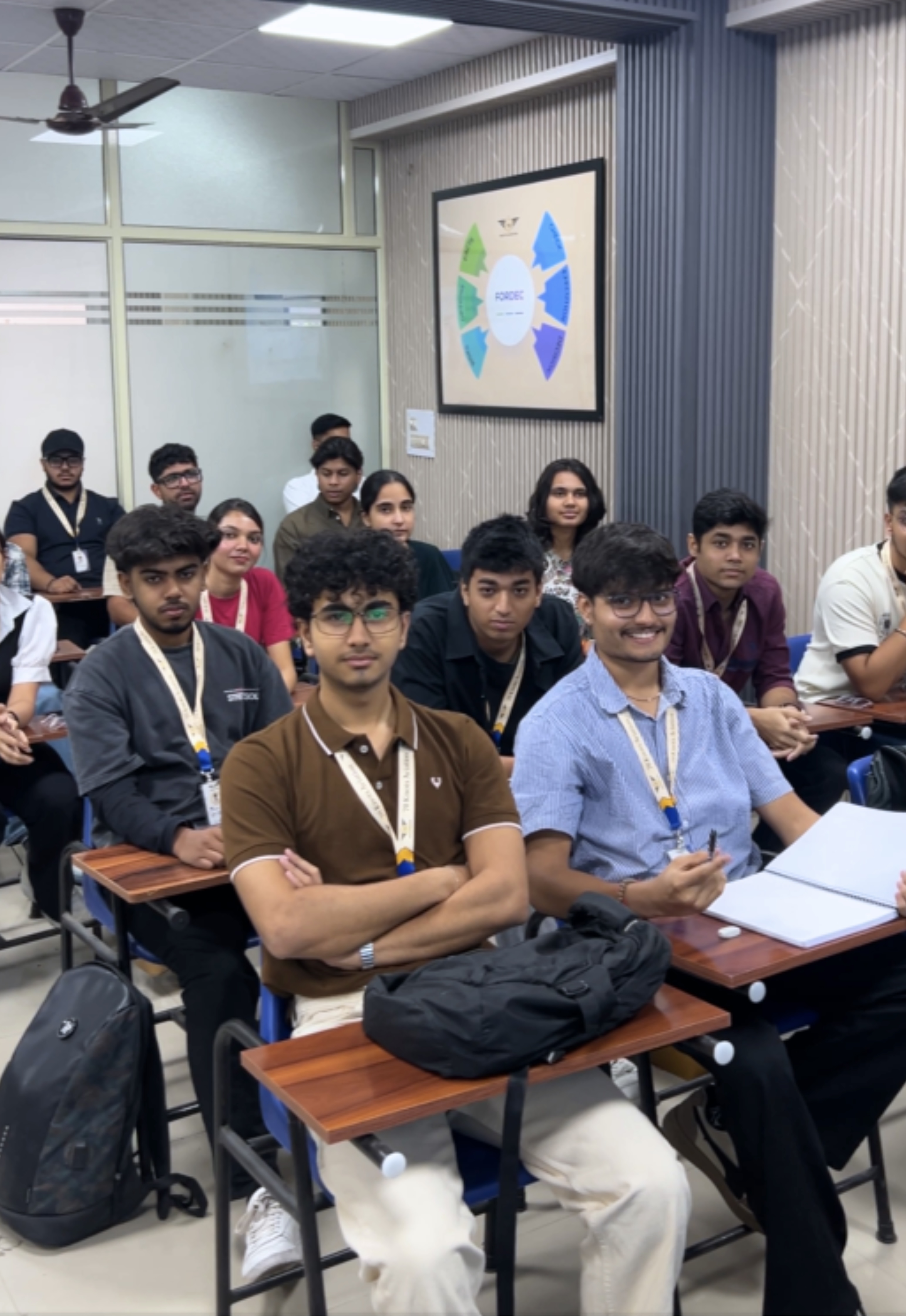
Factors That Affect Pilot Training Cost in India

Differences in the costs of pilot training are usually due to the following factors:

  • Location – Each state has a unique cost to operate.
  • Aircraft Type – Costs to operate training aircraft of different age and conditions will vary, newer aircraft will have a higher cost.
  • Flying Hours – The DGCA stipulates a set minimum of flying hours, but extra practice hours will increase the program cost.
  • Fuel Prices – The cost of fuel will affect costs to operate a training flight.
  • Training Quality – Better instructors and quality infrastructure lead to higher costs, but well managed institutes make it worth it to invest as a customer.
  • DGCA Standards – Safety and equipment standards are a substantial long term investment to comply with DGCA regulations.
  • Instructor's Experience – Although experienced instructors may increase the costs of the training program, they add much more value to it.
  • Facilities – State-of-the-art and suitable facilities add up to the cost of running an aviation training program significantly.

Now that you know what questions to ask, you can evaluate different pilot training institutions in India easily.

Why 70 Knots Aviation?

You can define the trajectory of your aviation career by choosing the right flight school, and our policy is to help you choose diligently, therefore the following differentiates us from the rest and sets value for your consideration.

  • Experienced Faculty – All our faculty members have rich aviation industry experience.
  • Student Guidance – We provide assistance with eligibility, documentation, and training on an individual basis.
  • DGCA Preparation – We provide topic oriented ground training designed for successful clearance of DGCA examinations.
  • Career Counseling – We provide a comprehensive overview of aviation career options including post flight training.
  • Modern Training – We are current in our training and practice standards and methods.
  • Personalized Attention – The batch size will be smaller, thus providing more personalized attention.
  • Job Placement – We help in moving from training to job placement in airlines.
  • Knowledge about Industry – We know what airlines want in their pilot candidates.
  • Student Success – Our success is determined by how far our students have come and how confident they are.

At 70 Knots Aviation, we aim not only to train pilots, but to train people to have an sustained a career in aviation.

What Distinguishes 70 Knots Aviation Among Pilot Training Institutes in India?

We understand that there are many institutes that train pilots in India. We appreciate the fact that students have a hard time differentiating them. Here is our honest response:

  • Student Support – Our accessibility does not end after second payment.
  • Transparent Guidance – We aim to clearly explain pilot course fees along with an estimation of time and duration in an unambiguous way.
  • Learning Environment – We mold our training environment to go beyond the bare minimum.
  • Career Roadmap – We assist in the pathway to being able to work in an airline.
  • Professional Mentorship – We provide mentors who have working knowledge of aviation.
  • Professional Mentorship – We provide mentors who have working knowledge of aviation.

We believe there are other institutes who have your best interest in mind, but we will be the most honest, committed, and consistent.

How to Select a Top Pilot Training Institute in India

There are many factors to consider in selecting the top pilot training institute in India outside the cost of the pilot training:

  • Faculty – Learn about the instructional experience of the faculty and their method of instruction.
  • Facilities – If you cannot arrange an on-campus visit, request an online visit.
  • Student Life – Get an opportunity to meet and interact with the students, both old and new.
  • Placement Assistance – Find out about placement assistance offered after the training program.
  • Safety Standards – Learn about the safety record of the institution and their method of ensuring the safety of the premises.
  • Transparency – A trustworthy school will let you know all their costs because there will be no hidden fees.

Take your time with your decision as a flight school shapes your entire career in aviation.

Is the Cost of Pilot Training in India Reasonable?

Cost of pilot training in India is on the higher side, but is the price justified? Here are our thoughts:

  • Career Prospects - The aviation industry in India is on the rise and allows for ample opportunity for pilots.
  • Salary - Airline pilots make a good salary, and the pay is better with greater experience.
  • Shortage of Pilots - If airlines are in need of a greater number of pilots, so is the need of cadet pilots.
  • Career Growth - This career gives you growth from first officer to captain.
  • ROI - The cost is steep, but ultimately a career in aviation pays well.

The same with any career focused investment, your training and your success are linked. That is why our priority at 70 Knots Aviation is to help you build your fundamentals.

Pilot Career Progression

Becoming a pilot goes through a number of stages, and these include the following:

  • You review your eligibility for the course: age, education, and medical condition.
  • You conduct yourself to get the medical test: acquire the Class 1 medical certificate.
  • You choose the school for you: find out about the pilot schools of value in India. Such schools that lack value are of no use to you even if they are cheaper.
  • You join your ground school: study theory aviation courses.
  • You earn your flight hours: Make sure that your flying hours are checked by an instructor.
  • You sit for the DGCA exams: pass the DGCA exams.
  • You get your CPL: Obtain your Commercial Pilot License.
  • 8.You get your job: now that you have your CPL, apply to airlines and cadet pilot programs.

At 70 Knots Aviation, we don't stop at training; we walk with students through every step.
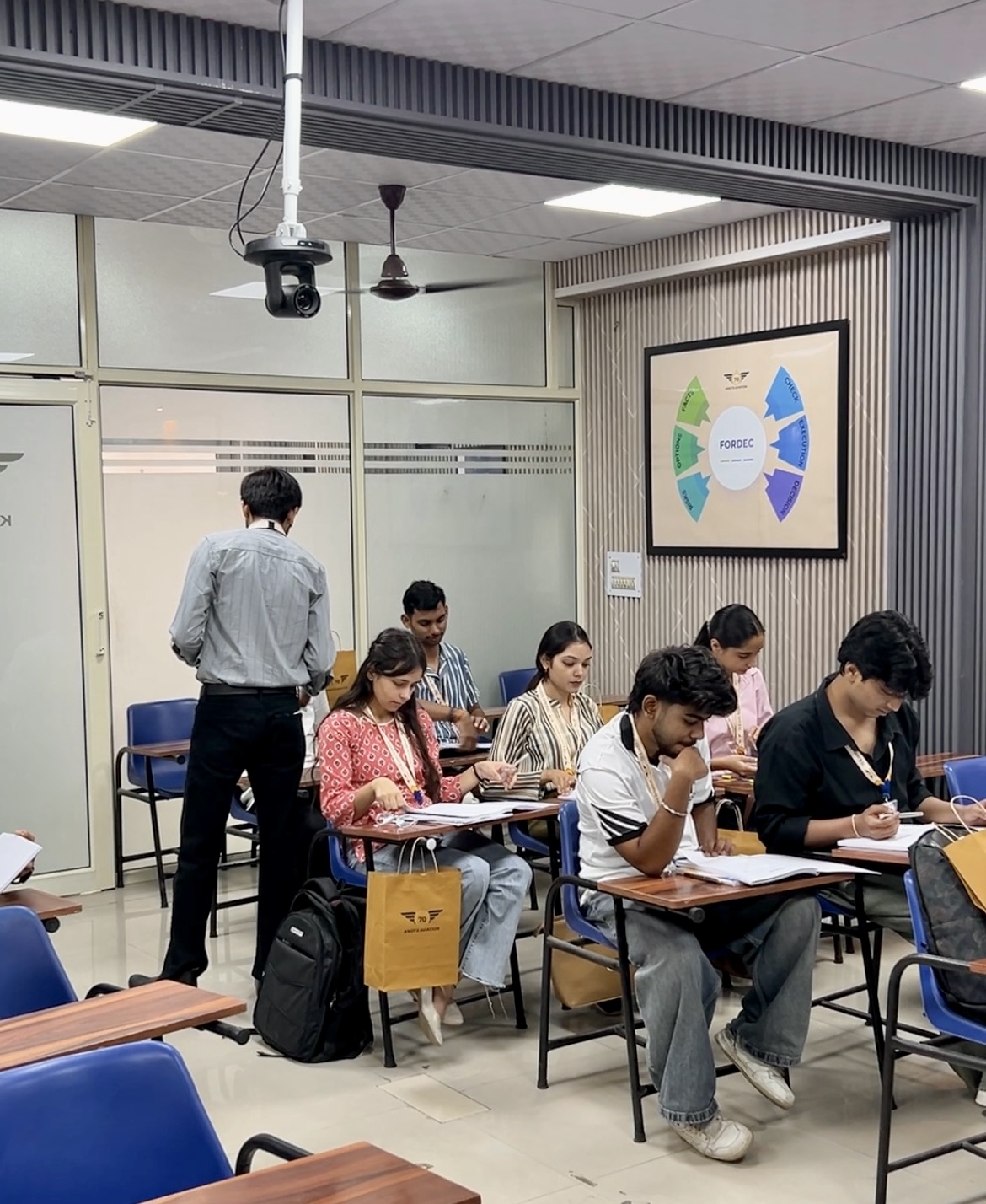
At 70 Knots Aviation, we don't stop at training; we walk with students through every step.

Students who choose 70 Knots Aviation know we value your time and investment. We explain the pilot course fees clearly and help students understand the DGCA steps and requirements and stay with them through every step of the process. This is an honest process with no empty promises. Students understand the realism of becoming a commercial pilot, and so do we. Your honest mentorship means that so many aspiring pilots rely on 70 Knots Aviation because they are serious about their flying careers.

Conclusion

The cost to become a pilot in India has many components which include ground and flying times as well as the regulatory exams. Knowing each of these components will help you feel more secure about your decision to pursue a flying career. Here at 70 Knots Aviation, we are with you at every step of your journey. From the initial question "what is the cost of pilot training in India?" to the day you hold your Commercial Pilot License in your hands. When you are serious about something, you can't afford to be guessing. So contact 70 Knots Aviation for a detailed and clear path with your aviation career so you know all about the costs involved, the eligibility, and every training step required.


Frequently Asked Questions

The costs of pilot courses in India include ground school, flying training, simulators, and all the requirements to get a Commercial Pilot License. As costs can differ greatly, it is prudent to request a detailed breakdown.

Cost of pilot training in India varies according to the aircraft being trained for, flying hours, place and the overall quality of training. Therefore there are no fixed costs and comparisons need to be done carefully.

It is a relative matter and depends upon individual preferences of that person. What matters most to him/her? Quality of training, faculty or systems? 70 Knots Aviation always strives to make honest ways and proper mentoring available for students.

Pilot training takes about 18 to 24 months. Weather, the scheduling of exams, and how many training hours you can log all impact this.

Yes, pilot training is a lot of money. This is just how much it costs to have a qualified commercial pilot thanks to the cost of the aircraft and fuel, the time of the instructors, and all the regulations.

Personal loans from banks and other financial institutions can be easily arranged by the students for their pilot training needs. You may consult your institution regarding this matter.

Higher Secondary Education with special emphasis on Physics and Mathematics are usually acquired by the students. Apart from that, the students must fulfill the age and medical criteria set by DGCA.

Students prefer 70 Knots Aviation because of its transparent fees, good instructors, personal attention and care during all pilot training phases.

Do you want to make your career in aviation industry?

Get in touch with 70 Knots Aviation now to know the clear pilot course fees structure of India.