The Untold Reality of Becoming a Pilot in India – What Aspirants Need to Know

You’re sitting at your desk at 2 AM, staring at navigation charts that look like they were designed to confuse you, and you’re wondering if you’ve made a terrible mistake. Your eyes are burning. You’ve read the same paragraph five times and have no idea what it says. And somewhere in the back of your mind, a little voice is asking: did I choose the right ground school for this?
That voice matters. Because honestly? That choice is going to affect you way more than you realize right now.
The Thing That Actually Keeps Me Up at Night
I know people who went to bad ground schools. Not terrible ones—just mediocre. And they spent years catching up. Years of feeling like they were behind their peers. Years of second-guessing themselves. Years of wishing they’d just picked a better place to start.
I also know people who found the right school and everything just… worked. They understood the material. They passed their exams. They felt ready. And then they went on to have actual careers as pilots.
The difference wasn’t that the first group was less talented. It was just where they started.
Why This Matters More Than You Think
When you’re learning to fly, you’re not learning a hobby. You’re learning how to keep people alive. That’s not dramatic—that’s just true. So when you’re sitting in that classroom learning about weather systems and emergency procedures, you’re not just memorizing stuff for a test. You’re absorbing knowledge that will literally affect life-and-death decisions you’ll make in five years.
That’s why the DGCA doesn’t mess around. Their exams are hard. Their standards are strict. And that’s exactly as it should be.
But here’s the problem: some schools teach you just enough to pass the test. You memorize the answers. You pass. You get your license. And then you’re flying, and something unexpected happens, and you realize you don’t actually understand any of it. You just knew the answers.
Other schools? They teach you to think. They explain why the rules exist. They walk you through scenarios. They make sure you actually get it. And when something unexpected happens in the air, your brain just knows what to do because you understand the principles, not just the facts.
That difference comes down to where you studied.
The Instructors Make All the Difference
I had a bad instructor once in college. Smart person, knew the material, but had never actually done anything in the real world. So every explanation felt hollow. It was all textbook. No context. No stories. No “I tried this once and here’s what happened.”
Now imagine the opposite. An instructor who’s actually flown a plane. Who’s dealt with equipment failures. Who knows what it feels like when you’re exhausted after eight hours of flying and something goes slightly wrong and your training kicks in and saves everyone on board.
That person doesn’t just teach you facts. They teach you how to think like a pilot. They show you why these boring regulations actually matter. And they teach you by telling you real stories, not just by reading slides.
When your ground school has instructors like this, everything changes. Because you’re not just learning stuff. You’re learning from people who’ve actually lived it.
What to Actually Look For
First: is the school legit? DGCA accreditation. Non-negotiable. That means someone verified that they’re teaching the right stuff and doing it properly. If a school isn’t officially approved, walk away. Don’t even think about it.
Second: who’s teaching? Ask about the instructors. Not their degrees—their experience. Do they actually fly? Do they have real certifications from the DGCA? Have they worked as commercial pilots? That stuff matters infinitely more than whether they have a PhD in Aviation from somewhere.
Third: what’s the actual learning experience like? Can you practice in simulation labs that feel like a real cockpit? Are the textbooks and materials actually good, or do they feel outdated? Can you study online for the theory stuff but also do hands-on work? You want a mix. Theory alone is boring and doesn’t stick. Practice alone doesn’t give you the foundation you need.
Fourth: do they actually help you when you’re struggling? Ground school is hard. Really hard. If a school has people who will work one-on-one with you when you’re stuck, or counselors who understand that this is stressful and intense, that’s a school that gets it. Most schools just teach and hope students figure out the rest. Good schools actually support you.
Fifth: where are their graduates? This is the real test. Are people who went through this program actually flying for airlines? Are they instructors at flight schools? Can you find them on LinkedIn and see they’re living the career you want? If you can’t find their alumni anywhere, that tells you something.
What Actually Happens When You Choose Right
You don’t wake up at 3 AM in a panic about what you need to study next. The school has already mapped that out for you. You know what’s coming. You know when the hard parts are. You’re not scrambling.
You take a practice exam and actually feel like you’re making progress, because someone’s actually tracking your improvement and pointing out what you’re weak in. It’s not just a grade on a paper. It’s feedback that makes sense. It’s a roadmap.
You walk into that DGCA exam room and you’re not hoping you pass. You know you’ll pass, because you’ve done the work and the school has prepared you properly. That feeling is everything.
And when you finish and you’re looking for your first flying gig? You’ve got connections. Real people at airlines and flight schools who know the place where you studied. They respect it. They might actually want to hire you. That matters when you’re starting out.
The Real Story About 70knotsaviation.com
I’m not gonna stand here and pretend every school is the same. Some are better. Some actually care. Some get it.
70 knots aviation is DGCA approved, which means they’re not making stuff up as they go. Their curriculum is solid and they keep it current. That’s the baseline.
But what actually makes them different is the people. The instructors here aren’t just reading from slides. They’re actual pilots. They’ve flown real aircraft. They’ve made decisions in the air. So when they’re teaching you about emergency procedures, they’re not theorizing. They’re sharing what they actually know.
With proper guidance, determination, and financial planning, becoming a pilot in India is a dream many aviation aspirants work hard to achieve. The journey involves clearing DGCA exams, medical tests, and rigorous flight training. Despite the challenges, becoming a pilot in India offers a rewarding and prestigious career path.
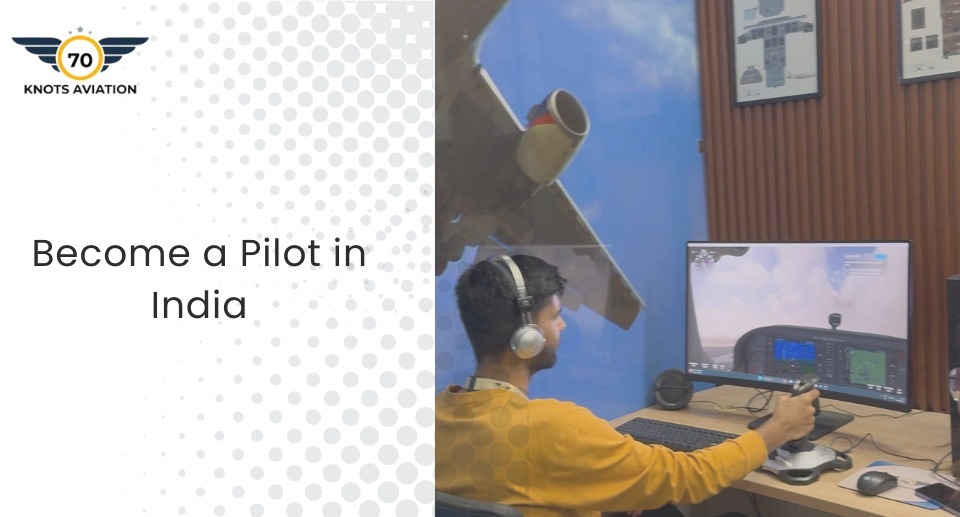
The facilities are real. You’re not sitting in some beat-up classroom from 1995 watching old videos. There are actual simulation labs. You get to practice in an environment that’s going to prepare you for the real thing.
And they seem to understand—actually understand—that this is mentally intense. There’s real academic coaching. There’s support for the stress and pressure side of it. It’s not “just buckle down and study harder.” It’s “we know this is hard and we’re here to help you through it.”
Because of their connections with airlines and actual flight schools, they can also help you figure out your next move. That’s not nothing. When you’re 22 or 23 and you’ve just gotten your license, having someone who can introduce you to the right people or point you toward the right opportunities—that changes your trajectory.
The Questions You Actually Care About
How do I know a ground school is actually good?
Three things. One: DGCA accreditation (non-negotiable). Two: instructors with real flight hours and real certifications. Three: ask people who’ve been through their program. Not the school’s marketing people. Actual former students. “Did you feel prepared?” “Are you working as a pilot now?” “Would you recommend it?” Their answers will tell you everything.
How long do I have to do this?
Six to twelve months, depending on what license you’re going for. Could be less, could be more. But don’t try to do it faster than that. Schools that promise you can finish in three months are cutting corners, and it catches up with you.
Do I have to sit in a classroom every day?
Most good schools do a mix now. You can do theory online when it fits your life. But the simulation work? The hands-on practice? That’s in-person, no way around it. There’s no substitute for actually practicing before you’re in a real plane. Anyone who tells you otherwise is either lying or doesn’t understand flying.
How does 70knotsaviation.com help you actually pass?
Practice exams that feel exactly like the real thing. Individual progress tracking—they know where you’re weak, not just how the whole class is doing. Detailed feedback after every attempt. A study plan built specifically for you, not some generic template. And instructors who will sit down with you one-on-one if you’re struggling. It’s not magic. It’s just good preparation. You do the work, you’ll pass.
The Honest Truth
Here’s what I wish someone had said to me before I picked a school:
This choice is going to shape your entire flying career. Not just whether you pass your exams—though that matters. But how you think about flying. What kind of pilot you become. Whether you’re someone who just passes tests or someone who actually understands what’s happening at 30,000 feet.
The schools that get this—that hire real pilots, that keep their curriculum current, that actually support you through the hard parts—those schools don’t just produce licensed pilots. They produce good pilots. Safe pilots. Pilots who are actually ready.
And yeah, maybe it costs a little more. Maybe the schedule doesn’t fit perfectly. Maybe it’s inconvenient.
With rising demand in aviation, commercial pilot training in India has become a popular career choice among young aspirants. The process includes DGCA-approved ground classes, flight hours, and strict medical clearance. With proper planning and discipline, commercial pilot training in India leads to excellent global career opportunities.
But this is the foundation of your entire career. Get it right, and the rest of your life is different. Get it wrong, and you’re spending years catching up.
So be picky. Ask questions. Talk to people who’ve been through it. Pick the place that actually cares about turning you into a real pilot, not just someone with a license.
That choice matters more than you know.