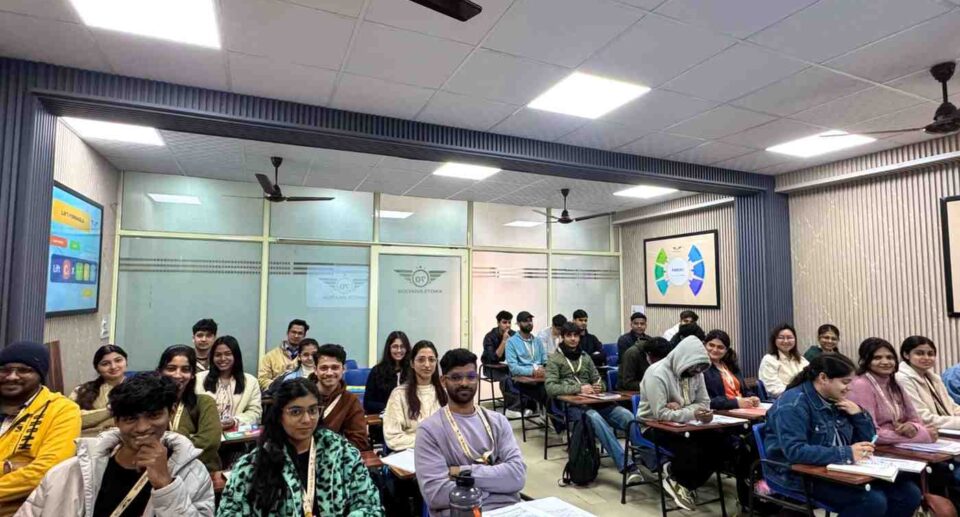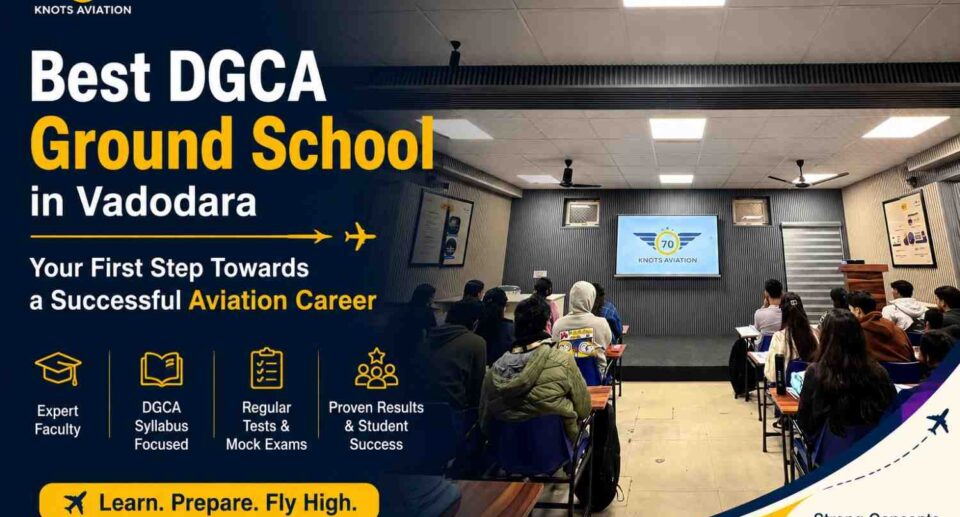
Find the Best Pilot Training School
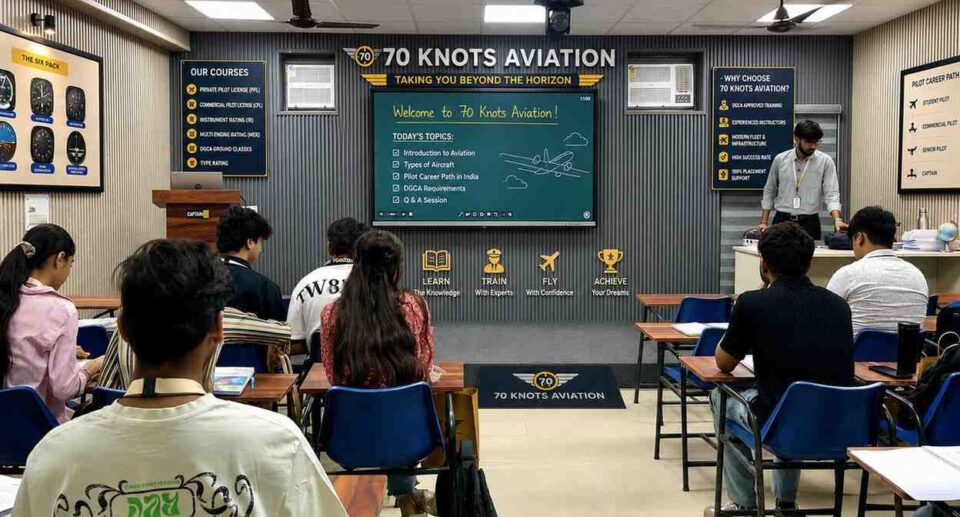
Rapid and impressive expansion of the Indian aviation sector is creating new job openings for prospective pilots. Trying to keep pace, airlines are in hot pursuit of qualified pilots. This is prompting students to ask the all-important question- How to become a Pilot?
India is home to many aspiring young pilots. The motivation for this dream to take flight is not unwarranted. It is a gratifying and rewarding profession. However, before you can realize your dream, you need to have a solid plan with extensive education and training coupled with unrelenting hard work and dedication. The single most significant decision that you will make during this process will be to choose the Best Pilot Training School.
This document attempts to detail the entire process of becoming a pilot in India. Outlined are the specific requirements, the various stages of pilot training and the role that choosing the right aviation institute will play.
Understanding the Role of a Pilot
The primary duty of a pilot is the safe and efficient operation of an aircraft. It is not just the aircraft that a pilot is responsible for, but the safe arrival of passengers and all other forms of onboard personnel and cargo.
A pilot needs to have sound judgment, technical understanding coupled with excellent communication skills and an acute sense of awareness.
Commercial pilots are employees of the airlines. However, they can also be the employees of charter companies, cargo operators and other entities in the aviation sector.
There are many responsibilities that a commercial pilot is entrusted with. Amongst them are operation of the aircraft and its planning, analysis of the weather and navigational compliance of all aviation regulations.
There is a right way to do all of the above but aspiring young pilots need to understand that before embarking on this rewarding career.
Steps Get Your Pilot License in India
Students frequently ask: What is the process of becoming a pilot in India? Here is a break down the steps:
Get Your Schooling
The first thing you need to do is finish up your schooling up to Class 12. Specifically, you will need to take up science and mathematics. These subjects will help you with the technical aspects of aviation and related calculations.
If you are not from the science and math background, you may still be eligible for this career as long as you take these subjects through recognized remedial programs.
Get Your Medical Tests Done
There are some medical fitness standards that you will need to clear to take up pilot training. You will need to get a medical fitness certificate from one of the approved aviation medical examiners.
You will especially need to have good eyesight, as well as be physically and medically fit.
Enroll in a Flying School
This is the next step in your path to becoming a pilot. You will need to enroll in a flying school. You will need quality flying training school as a prerequisite to give you both ground and practical training to get your Commercial Pilot License (CPL).
Pass the DGCA Exams
You will then need to take and pass a series of aviation related tests to assess your knowledge and fitness to take up flying as a career.
Attain the Minimum Flight Training Hours
You will then need to take and pass a series of aviation related tests to assess your knowledge and fitness to take up flying as a career.
Receiving a Commercial Pilot License
Once students finish all theoretical studies, complete all required flight hours, and pass all tests, they are awarded the Commercial Pilot License which opens the door to many career paths in aviation.
Why the Best Pilot Schools Matter
One of the most important aspects of a successful career in aviation is the selection of the right school. The Best Pilot Training School equips students with the fundamentals, and teaches important skills, and instills the necessary confidence.
Education
Professional flight training schools establish and provide all necessary frameworks for professional education on all key aspects and concepts of aviation.
Professional Flight Instructors
Instructors who are professionals and have extensive aviation experience provide students with the ability to understand challenging concepts.
Modern Education
The best institutions are those who have up-to-date study materials, and are integrating new learning techniques, and modern training aids.
Mentorship
Students get the benefit of excellent mentorship and career counseling.
Performance
Comprehensive training provides an edge during tests, flight training, and interviews with airlines.
The best first step to success is selecting the right aviation school.
Key Concepts Taught During Pilot Training
There are many varied aviation concepts that need to be understood by students pursuing training to be pilots.
Flight Training
This outlines the steps for planning a flight, use of aviation charts, route calculations, and use of systems for flight navigation.
Study of Aviation Weather
This outlines the various weather phenomena that affect flying and the operations of aircraft.
Laws and Procedures
This outlines the various procedures and safety regulations that govern the operations of aircraft and the control of air traffic.
Technical General
Students learn about aircraft systems and engines as well as aerodynamics and aircraft performance.
Technical Specific
This topic deals with the operational and functional aspects of specific aircraft.
Radio Telephony
Students are taught the various procedures for communication whilst airborne.
The knowledge of these subjects is required by an aspiring pilot.
Skills Required to Become a Successful Pilot
The acquisition of certain skills is essential in addition to the knowledge of the various aspects of aviation.
Communication Skills
Pilots are in constant communication with air traffic control and other airline personnel.
Decision-Making Ability
The ability to make prompt and correct decisions is critical for the safety of flight operations.
Leadership Skills
The ability to lead and work in concert with the crew is imperative.
Situational Awareness
It is important to have knowledge of and perceive possible hindrances to safe and effective flight operations.
Discipline and Responsibility
The profession of aviation is one of the most highly scrutinized and regulated professions, which requires a great deal of accountability and self-regulation.
Best Pilot Training School helps students acquire this along with the necessary technical expertise.
Career Opportunities After Becoming a Pilot
The attainment of a pilot’s license opens numerous opportunities in various fields.
Commercial Airline Pilot
The most common profession is that of a pilot employed by an airline to transport passengers.
Charter Pilot
If preferred, pilots may opt to work for companies that operate charter services.
Cargo Pilot
There are also opportunities to transport cargo by air, both regionally and internationally.
Flight Instructor
An additional option for a pilot is to engage in instruction and training of other aspiring pilots.
Aviation Management
A knowledgeable pilot can assume several management and operational roles within aviation.
The future potential of aviation makes it a good career option, as the number of pilots needed continues to increase.
Tips for Success in Pilot Training
You should keep in mind these critical points to see how to become a pilot.
Maintain Consistency
The regular study and practice of aviation allow for greater understanding of the concepts.
Stay Focused on Goals
The maintenance of a career objective allows for the retention of motivation for the duration the objective is being pursued.
Attend All Classes
Attendance of classes plays a part in knowledge and preparation.
Practice Regularly
The regular practice of solving problems and, more importantly, the revision, allows for improvement in the performance of the tests.
Stay Updated
An awareness of the industry keeps you informed of the changes and improvements.
Learn from Mentors
More advanced learning is achieved through the teaching of those who are highly skilled.
Read also :- Best CPL Ground Classes in Jaipur to Start Your Aviation Career
Why Professional Guidance Matters
The journey of becoming a pilot is a long and arduous one, requiring a high level of commitment and the presence of mentors and coaches who are true professionals.
Modern systems of pilot training combined with professional mentorship and a quality pilot training system provide the basis for success in all dimensions. Guided trainees tend to have an advantage when it comes to the selection processes of airlines and the flight assessment processes.
Curious about becoming a pilot? It starts with education and training, and an unwavering dedication to learning. The profession has many exciting prospects for development, making it one of the most rewarding and admirable professions.
Finding a great pilot training school is a key building block of an aviation career. Great schools have great instructors and great training, plus up-to-date study material and mentorship.
Pilots are one of the most respected professions. As a pilot, you get to travel and see new places. There are amazing prospects for pilots; they have the potential to see the world, have a fulfilling career and land a great job with the right planning.
The 70Knots Aviation team shares informative and practical insights on pilot training, aviation careers, DGCA requirements, CPL training, flight training, and the Indian aviation industry. Through well-researched articles, the team aims to help aspiring pilots, aviation students, and aviation enthusiasts understand training pathways, eligibility, courses, and career opportunities in aviation. As one of the best pilot training institutes in India, 70Knots Aviation provides clear and useful information to support readers at every stage of their journey toward a career in the skies. With a focus on practical aviation knowledge, the team brings together valuable insights to help readers make informed decisions about their aviation education and career.