Best DGCA Ground School in Vadodara: A Pilot’s Real Journey
The Dream Begins
I’ll never forget the day I decided to become a pilot. I was 20, sitting in a college classroom, feeling completely lost. Then one day, a senior told me about DGCA ground schools in Vadodara, and everything changed. If you’re reading this, you’re probably at that same crossroads—wondering if you can actually make this aviation dream happen.
Here’s the thing: I’ve been through the entire journey, and I’ve seen countless friends succeed and a few struggle. The difference? They chose the right ground school. Let me share what I’ve learned.
Why This Matters More Than You Think
Before you jump into flight training and spend lakhs of rupees, you need to understand what DGCA is and why ground school isn’t just some boring prerequisite you should skip.
The Directorate General of Civil Aviation—or DGCA—basically runs Indian aviation. They’re the ones who decide if you’re ready to fly. Period. And before they let you touch an aircraft, you need to pass their ground school exams. These aren’t some joke tests you can cram for. I’ve seen talented people fail because they didn’t take ground school seriously.
Ground school teaches you the “why” behind flying, not just the “how.” You’ll learn about weather systems that can literally kill you if you don’t understand them. You’ll study aircraft systems that you need to understand in an emergency. You’ll memorize regulations that keep everyone safe. Honestly, when I was studying Meteorology, I realized that understanding wind shear patterns could save lives during landing. That hit different.
Why I Chose Vadodara (And Why You Should Too)
When I was looking for ground schools, I had options all over India. But Vadodara kept coming up in conversations with experienced pilots. Let me tell you why they weren’t wrong.
It’s Actually Easy to Reach: Look, I’m from Mumbai. Taking a train to Vadodara was easier than I expected. The station is right there, the city isn’t too big or chaotic, and everything feels manageable. I didn’t waste hours commuting, which meant more energy for studying and less stress overall.
The Aviation Community is Real Here: This might sound odd, but Vadodara has a solid aviation vibe. You see flight students everywhere. You bump into pilots at chai shops. There’s this network that actually helps you. When I was struggling with navigation concepts, I ran into a senior pilot at a local café who spent an hour explaining it to me. That doesn’t happen randomly—it’s because aviation is part of this city’s culture.
The Facilities Are Legit: Vadodara has an actual controlled airfield. When you’re studying air traffic control procedures or runway operations, you can actually go see how it works in real life. That hands-on feel makes learning stick. I remember standing near the tarmac during my ground school days, watching planes land, and suddenly the regulations I’d been studying made perfect sense.
Cost Matters: Let’s be honest. Ground school isn’t cheap, but Vadodara is reasonably priced compared to major metro cities. That saved money? I used it for extra flight hours later, which actually accelerated my training.
What Actually Separates Good Schools from Great Ones
I visited multiple schools before picking the right one. Here’s what I actually looked for, not the textbook stuff you see on websites.
Real DGCA Approval (Not Just Claims)
Every school website says they’re DGCA-approved. But I actually checked. I went to the DGCA website, looked up their list, and verified. You’d be shocked how some schools claim things they shouldn’t. When I visited, I asked to see their approval certificate. The professional schools had it ready to show.
What to do: Call the DGCA office directly. Ask them. Seriously. They’ll tell you if a school is genuinely approved.
Teachers Who’ve Actually Done This
I had one instructor who was a current commercial pilot. He didn’t just teach from textbook real situations, real mistakes people make, real solutions. Like, we were studying weather, and he told us about a flight he was on where wind shear caused an emergency landing. Suddenly, studying altimeter readings wasn’t boring—it was life-saving knowledge.
When you visit a school, ask the teachers about their backgrounds. If they just have a degree and have never touched an aircraft, that’s something to consider. The best instructors have actually lived what they’re teaching.
Classrooms That Don’t Put You to Sleep
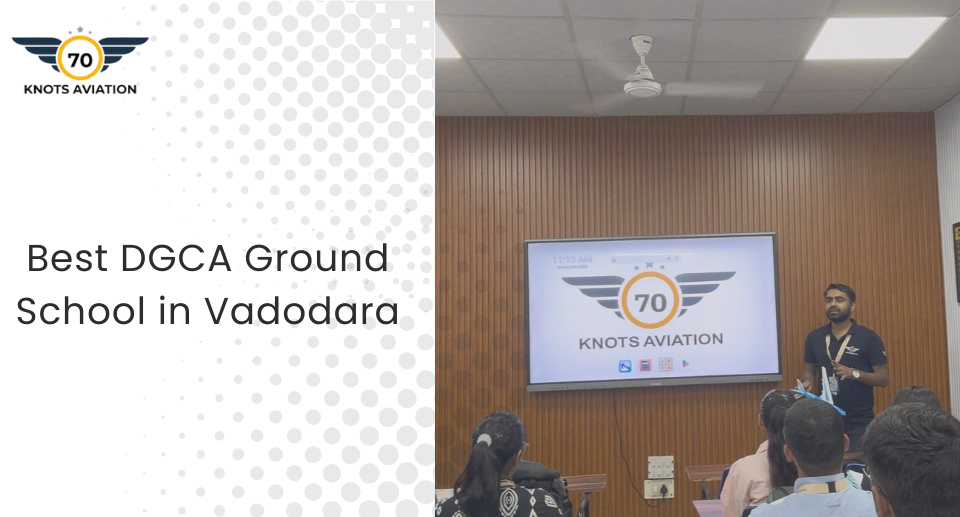
I visited one place where the classroom environment wasn’t ideal—poor lighting, old furniture, equipment that barely worked. I lasted 30 minutes and moved on. The school I finally chose had beautiful, well-lit study areas with comfortable seating, good lighting, and technology that actually worked. When you’re studying for 6 hours straight, your environment matters more than you think.
Mock Exams That Actually Challenge You
This was huge for me. My school did mock exams every week, and they weren’t easy. My first mock, I scored 62%. I was devastated. But that’s what saved me. I had time to improve. I knew exactly which topics were killing me—aircraft systems and air navigation. So I doubled down on those.
Schools that do frequent, tough mocks? They genuinely care about your success. Schools that make everything easy? They might not be preparing you properly for the real challenge.
People Who Actually Help You Succeed
Before the official DGCA exams, I was nervous. My instructor noticed—actually noticed without me saying anything—and offered extra sessions. That extra help got me from 78% in mocks to 89% in the actual exam. Schools that genuinely support you make all the difference.
What You’ll Actually Study (And Why It’s Not as Boring as It Sounds)
Let me break down the subjects they’ll teach you. I’ll be real about what’s hard and what’s actually interesting once you get it.
Air Navigation
This is basically how to find your way in the sky. You’ll learn about VOR, NDB, GPS, and how to plot courses on maps. Sounds dry? It gets interesting fast. I was terrible at navigation initially. Then my instructor explained it like this: “Imagine you’re driving without GPS. You need to read signs, know landmarks, calculate distances. Navigation is the same thing, just 35,000 feet in the air.”
Once I understood it that way, it clicked. Navigation is actually cool when you realize it’s the difference between landing in Mumbai and landing in the ocean.
Air Regulations
Yeah, this one is tedious. You’re memorizing rules and procedures set by DGCA. But here’s what they don’t tell you: these regulations exist because someone died. Every rule in the book was written because of a past accident. When I realized that, I started reading them like detective stories instead of boring rules.
Rules about maintenance intervals? That’s because an engine failed. Rules about crew rest? Because tired pilots crashed. Knowing the “why” makes it less painful.
Meteorology
This is where it gets genuinely interesting. You’re learning how weather actually works—why clouds form, how pressure systems move, what wind shear is. I grew up hearing “meteorology is hard,” but honestly? It’s fascinating.
My instructor used to do this thing where he’d show us live satellite images and explain what was happening. One day, there was a cyclone forming, and he explained exactly how it would move, where planes should avoid flying, and why. I felt like I had superpowers—I could read the sky.
Aircraft Systems
This is the technical stuff. Hydraulics, electrics, engines, fuel systems. You need to know how everything works because your life depends on it. I’ll be honest, the first few days I wanted to quit. But then I got how it all connects. The hydraulic system moves your ailerons, which banks the plane, which turns it.
Studying aircraft systems is like assembling a puzzle. Once you see the complete picture, it’s satisfying.
Principles of Flight
This is the physics of why planes stay in the air. Lift, drag, thrust, weight. It sounds mathematical and boring, but it’s actually elegant. The first time my instructor explained lift, I got goosebumps. It’s like nature’s magic trick, and once you understand it, you realize nothing about flying is luck—it’s science.
The Reality of Ground School (Good and Hard Parts)
Let me tell you the tough parts nobody mentions.
It’s Intense: You’re sitting in a classroom for 5-6 hours, absorbing dense technical information. By day three, your brain feels like it’s been used as a dishrag. Your eyes hurt. You question your life choices. This is normal.
You’ll Have Breakdown Moments: I did. I remember calling home crying after bombing a mock exam in air navigation. My parents thought I’d failed out. But my instructor said, “You’re learning. That’s the whole point of mocks.” She was right.
The Studying Doesn’t End: Ground school isn’t just classroom time. You need to study evenings and weekends. I was studying by 9 PM most nights, doing last-minute revision before bed. It’s a commitment.
Some Topics Click Later: I hated aircraft systems on day one. Day 15, it suddenly made sense. Topics that feel impossible at first often become your strength.
But here’s the thing—it’s worth it.
Why Your Money Actually Matters Here
Ground school fees vary, but quality programs in Vadodara cost around ₹2,00,000 to ₹2,50,000 depending on how intensive the program is. That’s real money.
When comparing schools, don’t just pick based on cost alone. I have a friend who chose based purely on the lowest price. He wasn’t fully prepared and his first attempt at DGCA exams wasn’t successful. You know what he spent on retaking exams and extra training?
Here’s how to think about it: What’s included? Do they give you study materials? How many mocks? Is there personalized doubt-clearing? Can you attend extra classes if you need them? The real value isn’t in the initial price tag—it’s in what you get for your money.
Enrolling in the best DGCA ground classes in Vadodara offers structured learning, quality study material, and expert guidance for a successful pilot career.
A good school invests in you. You invest ₹2,00,000, and they spend that money on good instructors, frequent mocks, quality study materials, and proper doubt-clearing sessions.
How to Actually Choose Your School (Not the Fairytale Version)
Forget the websites and fancy brochures. Here’s what I actually did.
Step 1: Call and Ask Tough Questions
I called multiple schools. I asked them:
- “What’s your DGCA approval status?”
- “Can I verify it with DGCA?”
- “How many of your students passed on the first attempt last year?”
- “What happens if I struggle?”
- “Can I talk to a student currently studying there?”
Schools with nothing to hide answer everything straightforwardly. Schools that can’t give you straight answers are worth reconsidering.
Step 2: Actually Visit
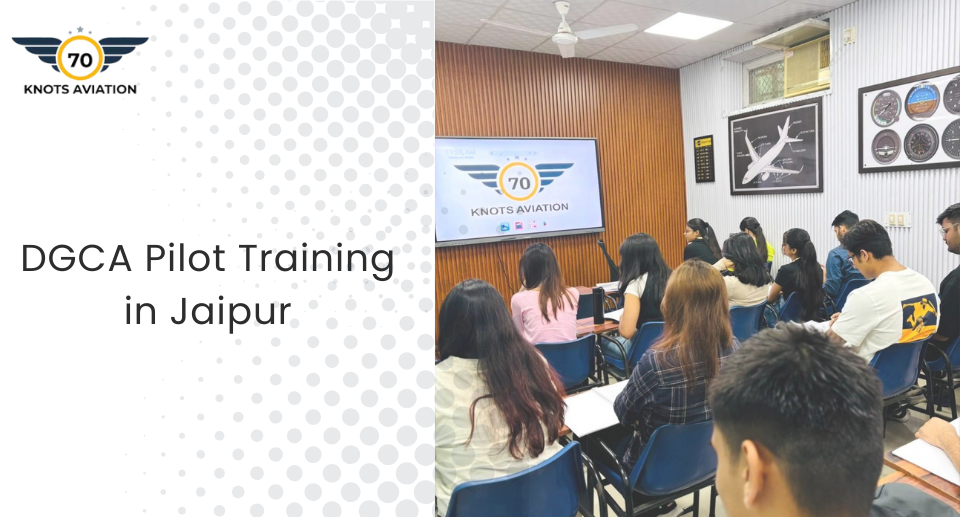
I visited schools in person. I looked at classrooms. I checked if the facilities were clean and well-maintained. I watched a class in progress for 10 minutes. I noticed: Was the instructor engaging? Were students taking notes actively? Were people paying attention? This tells you everything.
Step 3: Talk to Current Students
This is crucial. I asked to chat with current students (without the school hovering nearby). I asked them:
- “Are you getting your money’s worth?”
- “Do instructors really help with doubts?”
- “How many mocks do they actually conduct?”
- “Has anyone needed extra support, and what happened?”
Their honest answers mattered more than anything the school told me.
Step 4: Check Their Post-Training Support
Good schools help you schedule DGCA exams, guide you on exam procedures, and sometimes even help with flight training placements. I asked my school: “What happens after I complete the course?” They had concrete answers: “We help you schedule exams, you have dedicated time to prepare, we’ll do final mock exams, and we have relationships with flying clubs if you want to start flight training.”
Step 5: Trust Your Gut
I had a feeling about my final choice. The instructor was humble, the facilities were great, students looked happy, and they answered every question honestly. I went with my gut, and I don’t regret it.
What Happens Next (After You Pass)
Okay, let’s say you crush those DGCA exams. What’s next?
You get your DGCA Computer Number. Now you can apply for flight training. This is where it gets real—flight training costs serious money (₹45-60 lakhs minimum in India, more overseas). But here’s the thing: you’re now qualified to do it.
Good ground schools help you figure out flight training options. Some have partnerships with flying clubs. Some help you navigate overseas training options. My school connected me with people who’d done both, so I could make an informed decision.
Real Talk: Is It Worth It?
I’m going to be honest. Ground school is expensive. It’s intense. It’s sometimes boring. You’ll question your choices.
But I’m now a commercial pilot. I fly for an airline, and I love it. Every day, I use something I learned in ground school. That Meteorology lesson about wind shear? I use it every single landing. That aircraft systems knowledge? I use it during pre-flight checks.
My ground school wasn’t just preparation for exams—it was laying the foundation for my entire career.
Is it worth ₹1,00,000? For me, yes. I’m earning what I always dreamed of. My family is proud. I wake up doing something I love.
But you need to be honest with yourself: Do you actually want this? Because if you’re just doing it for your parents or because it seems cool, you’ll struggle through ground school and then hate flying school. But if you genuinely want to be a pilot, then yeah, ground school is absolutely worth it.
Mistakes I Wish I’d Avoided
Since I’m being real with you, here are things I’d do differently:
Don’t Skip the Weak Subjects: I ignored aircraft systems early on, thinking it would be fine. It wasn’t. I had to catch up fast. Don’t do this. If something is hard, attack it early.
Don’t Study Alone: Join a study group. When I got stuck on navigation, discussing it with classmates helped more than hours alone with a textbook. Studying is lonely; having friends in the same struggle helps.
Don’t Ignore Mock Exam Results: Every time you do a mock, your score is telling you something. I scored low in air regulations, so I spent extra time there. That extra effort showed in my final exam.
Don’t Leave Everything for the Last Week: Some classmates tried to cram everything in the final week before exams. It doesn’t work. Their scores showed it. Study consistently throughout.
Don’t Underestimate Self-Study: Classroom teaching gives you the foundation. Self-study builds mastery. I spent almost as much time studying on my own as I did in class.
The Human Side of This Journey
Here’s something schools don’t tell you: You’ll make friends here who become lifelong buddies. I studied with two people in my ground school. One is now a captain flying international routes. Another works for an aviation company. We still call each other when we face challenges.
Your batch becomes your aviation family. You’ll celebrate each other’s successes and support through failures. One classmate struggled on the first attempt. We rallied behind him, helped him study, and he passed the second time. That kind of support is priceless.
Finding the Right Fit in Vadodara
Vadodara has established institutions with years of experience in aviation training. When you’re evaluating options, focus on:
- Genuine DGCA credentials that can be independently verified
- Experienced faculty with real aviation backgrounds
- Quality facilities that support 6+ hours of daily study
- Regular, challenging mock exams that prepare you properly
- Personal support from instructors who notice when you’re struggling
- Post-training guidance for exams and flight training options
- A positive learning community where students thrive
The right school for you will have all of these elements, not just some of them.
Final Words
Choosing the best DGCA ground school in Vadodara is one of the most important decisions in your aviation journey. It’s not just about passing exams—it’s about building the right foundation, learning from experienced people, and joining a community that gets what you’re trying to do.
Take your time. Visit schools. Talk to students. Ask hard questions. And then make a decision you feel confident about.
Your dream of becoming a pilot is valid. You deserve quality training. And Vadodara has genuine institutions that can give you that.
I did it. Now it’s your turn. All the best!
The 70Knots Aviation team shares informative and practical insights on pilot training, aviation careers, DGCA requirements, CPL training, flight training, and the Indian aviation industry. Through well-researched articles, the team aims to help aspiring pilots, aviation students, and aviation enthusiasts understand training pathways, eligibility, courses, and career opportunities in aviation. As one of the best pilot training institutes in India, 70Knots Aviation provides clear and useful information to support readers at every stage of their journey toward a career in the skies. With a focus on practical aviation knowledge, the team brings together valuable insights to help readers make informed decisions about their aviation education and career.