I Became a Pilot in India: The Messy, Expensive, Actually Doable Real Story

My dad said it like he was suggesting I grab a coffee. “Why don’t you just become a pilot?” We were sitting in the living room in Mumbai, and I was complaining about my job. Again. He wasn’t being serious. Or maybe he was. Looking back, I think he just wanted me to shut up about how miserable I was.
But something about it stuck with me. That night I couldn’t sleep. I spent like four hours on my phone reading about pilot training in India. And the more I read, the more I realized something: it wasn’t actually impossible. It was expensive, sure. It was difficult, obviously. But it wasn’t impossible for someone like me.
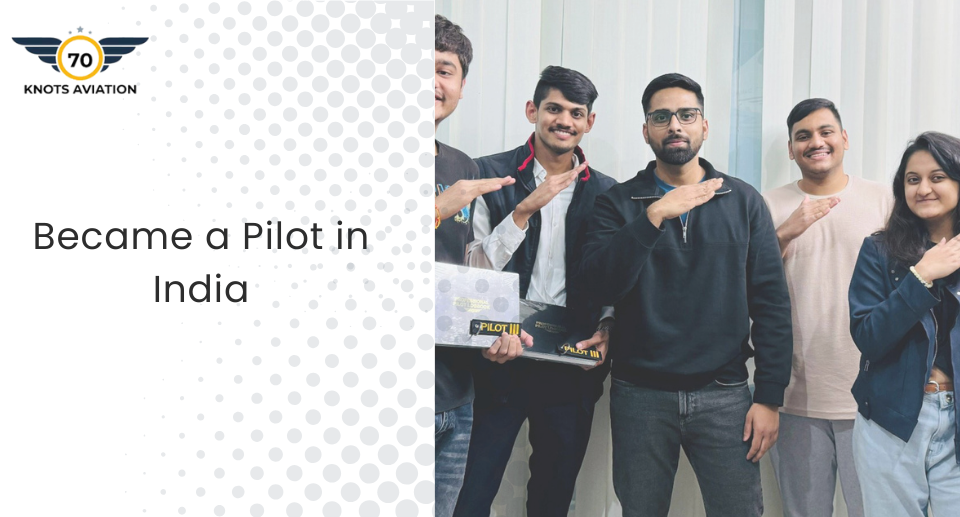
Sixteen months later, I had a Commercial Pilot License. Seventeen months after that, I was hired by a major Indian airline. Now I fly Airbus A320s between Indian cities and make enough money that I’ve paid back half my loan. I’m going to tell you exactly how I did it, what it was really like, and what it’s going to cost you.
The Part Where I Almost Didn’t Do It
I was genuinely thinking about backing out. I’d gone to visit a pilot training academy—the place I’d eventually train at—and I saw these kids in flight suits. They looked so young. So confident. I felt ancient. I was twenty-five, which isn’t old, but everyone else there was twenty-one, twenty-two. Fresh out of school.
The guy showing me around was this instructor named Captain Agarwal. Super friendly. He took me to look at the aircraft—these Cessna 172s that seemed impossibly small to me. Like, people actually fly in these? I was terrified just looking at them.
I asked him if he thought someone my age could do this. He just laughed. “People start training at thirty, thirty-five, even forty. Age isn’t the thing. The thing is whether you actually want to do it.” Then he said something that stuck with me: “Every single pilot you fly on commercial airlines was scared sitting where you’re sitting right now. The fear doesn’t disappear. You just learn to fly scared.”
That made it real for me. Not in an inspiring way. Just in a “okay, this is actually something humans do” way.
The Money Conversation: Nobody Wants to Talk About This But It Matters
Let me be completely honest because every article about pilot training either lies about the cost or makes it sound easy to pay for. It’s not easy.
I paid ₹48 lakhs. That’s roughly $5,800 USD. For comparison, that’s more than the average Indian earns in five years. That’s a lot of money.
My parents paid ₹18 lakhs from their savings. I took an education loan for ₹30 lakhs from a private bank. The loan has a 9.5% interest rate. I’m still paying it back. Will be for the next seven years probably.
I know people who paid ₹35 lakhs at cheaper schools. I know people who paid ₹65 lakhs at more expensive places. The difference wasn’t always in the training quality. Sometimes it was just that one school had nicer facilities or better marketing.
Some of my classmates got scholarships from major airlines. Those programs exist, but they’re competitive. You basically have to be exceptional to get one.
The reality is this: unless your parents are loaded, you’re getting a loan. That’s just the truth. And you need to be okay with graduating with a massive debt because you’re betting that your pilot salary will let you pay it back.
I got lucky. A major airline hired me. I could have ended up paying for all that training and then struggling to find a job. That’s a real risk.
The Moment I Realized I Was Actually Doing This
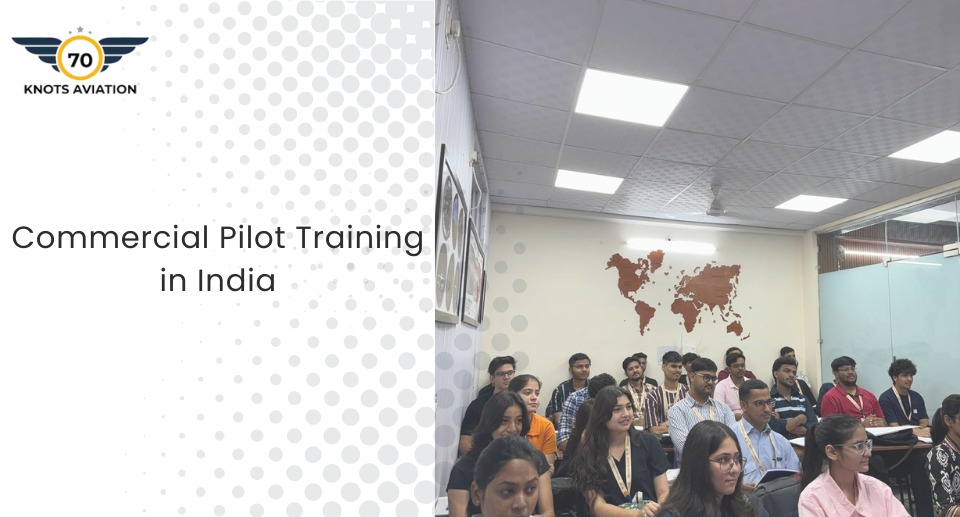
I remember the first day of ground school. The classroom was packed. Maybe a hundred and fifty people. All of us wanting to be pilots. All of us probably broke because of this decision.
The instructor walked in and basically said, “One third of you won’t finish. You’ll quit because you can’t handle the financial stress. One third of you will quit because you’re scared of flying. One third of you will actually become pilots.” Then he started teaching.
He wasn’t wrong. By month two, there were people gone. I knew they’d dropped out because they just stopped showing up. One guy I shared a hostel room with quit after his fourth flight. He said he wanted to throw up every time he got in the plane. Nobody blamed him.
For me, the quitting moment came around month three. I was doing instrument training, which is basically learning to fly using only the instruments instead of looking out the window. Your body completely lies to you. I felt like I was turning left when I was actually turning right. My inner ear was sending signals that contradicted what the instruments said. It was absolutely disorienting.
I was terrible at it. Genuinely terrible. My instructor, this calm guy named Ravi, would just watch me mess up approach after approach and not say anything. That silence was worse than criticism.
I called my mom crying. I remember saying, “I can’t do this. I’m not cut out for this.” She listened for like twenty minutes and then said, “Okay, so you’re terrible at one thing. Does that mean you’re going to throw away ₹48 lakhs and go back to being miserable?” Harsh. But effective.
I kept showing up. And around week five of instrument training, something just clicked. My brain stopped fighting the instruments. I trusted them. And suddenly I could fly.
What Ground School Is Actually Like (Spoiler: It’s Boring As Hell)
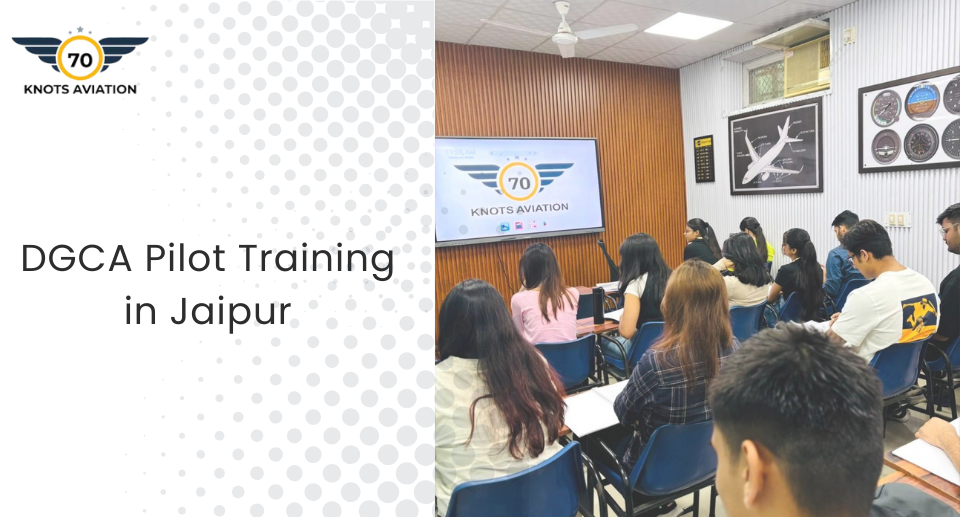
There were these textbooks. Massive textbooks about aerodynamics, meteorology, navigation, air regulations, aircraft systems. Thousands of pages of material that I had to memorize.
The instructors varied wildly. Some guy teaching meteorology just read from PowerPoint slides. I genuinely learned nothing. Another instructor teaching aircraft systems was so passionate about engines that he made diesel engines interesting. Which is insane. But it worked.
We had exams constantly. These weren’t easy tests where you could study for a day and pass. These were comprehensive exams where you needed actual understanding. I failed my navigation exam the first time. Failed my air law exam. Then I passed them.
What made it bearable was the people. I was studying with the same fifty people every day. We became friends. We’d sit in the cafeteria at night doing flashcards together, quizzing each other. We celebrated when someone passed an exam. We stressed together when someone failed.
One girl in my batch, Neha, was struggling really badly. She’d fail exams, retake them, fail again. Everyone assumed she’d quit. But she didn’t. She just kept taking the exams until she passed. She’s flying for Vistara now.
The Flying Part: Where It Stopped Being Abstract
My first flight was on a Monday morning. Early. Like, 6 AM early. I woke up terrified. I thought I was going to throw up.
The aircraft was a Cessna 172. It’s a small plane. Four seats. One engine. It looks like a toy. I remember thinking, “This tiny thing is going to go three thousand feet in the air? With me in it?” Completely irrational thinking, but that’s where I was.
My instructor was Captain Sharma. Older guy, probably late fifties, and he’d been flying for thirty years. He didn’t try to calm my nerves. He just said, “Come on, let’s go fly.” Like we were going to get coffee.
We did the preflight checks. You literally walk around the plane checking that all the bolts are tight, that the fuel is full, that there’s nothing obviously wrong. Then we got in. The airplane is loud. Much louder than I expected. And it vibrates.
We took off. And honestly, it was anticlimactic. We just… went up. There was turbulence. I felt my stomach in my throat. But Captain Sharma was just sitting there with one hand on the control stick, the other hand drinking coffee, looking at the landscape below us.
After like an hour of me just experiencing the feelings, he said, “Okay, you have the controls.” My hands were on the yoke. I was flying the aircraft. It was simultaneously the most terrifying and the most thrilling thing I’d ever done.
I was terrible at it. I couldn’t keep the altitude stable. I overcorrected everything. But for those twenty minutes, I was flying.
After we landed, Captain Sharma just said, “That was bad. Come back tomorrow, we’ll do it again.” No hype. No encouragement. Just facts. I’d done it badly, and I’d have to do it again.
I kept doing it again. For sixteen months.
The Plateau Where I Almost Quit (Again)
Around month five, I hit a wall. I could do everything. Takeoffs, landings, navigation, instrument flying, emergency procedures. But I still made mistakes constantly. I’d forget a step in a procedure. I’d land slightly off center. I’d climb too fast or descend too slow.
Every flight, Captain Sharma would point out five or six things I’d done wrong. And I was like, “When do I actually get good at this?” I felt like I’d been training forever and I was still mediocre.
That’s when another instructor sat me down and said something that actually helped. “You’re at the point where you’re competent enough to know you’re not competent. Most people quit here. They can’t handle knowing what they don’t know.” He was right. I was stuck in this frustrating place where I was good enough to be dangerous but not good enough to be safe.
The only way through was to keep flying. Keep making mistakes. Keep correcting them. Until one day, the mistakes disappeared. Or I stopped noticing them because I’d corrected them before they became real problems.
That day came in month nine. I flew a cross-country flight from Indore to Bangalore to Hyderabad, by myself. And somewhere over Bangalore, I realized I was just… flying. Not worrying about flying. Not thinking about procedures. Just flying.
The Part About Fear That Everyone Lies About
Every article about pilot training talks about conquering your fear. Like you eventually stop being scared. That’s not true. I’m not scared every time I fly, but I’m not fearless either.
Even now, flying the actual Airbus with actual passengers, I get nervous sometimes. When there’s turbulence. When weather is bad. When we’re dealing with a technical issue. That’s not weakness. That’s just normal. Every pilot feels it.
What changes is that you learn to think clearly while you’re scared. You follow procedures. You trust your training. You trust your crew. You don’t let the fear stop you from doing your job.
During training, there was this one flight where we hit some pretty serious turbulence, and honestly, I was genuinely frightened. Captain Sharma’s approach was to just… keep flying. He didn’t tell me it was okay. He didn’t try to make me feel better. He just said, “This is turbulence. We fly through turbulence all the time. Hold this heading.” And we did.
And we landed fine. And I realized that fear doesn’t mean something’s wrong. It’s just a feeling. And feelings don’t determine what happens. What matters is what you do despite the feeling.
The Medical Exam That Nobody Prepared Me For
Part of becoming a pilot is passing a Class 1 medical exam. This is not a normal checkup. This is a full body scan basically.
They check your eyes. Your hearing. Your blood pressure. Your reflexes. Your mental health. They ask you detailed questions about your family history. Whether you’ve ever been depressed. Whether you’ve ever been on psychiatric medication. Whether you have any history of substance abuse.
I had to get LASIK surgery to correct my eyesight to 20/20 because pilots need better vision than regular people. That was unexpected and expensive. But necessary.
There’s also the psychological aspect. The examiner asked me questions designed to figure out if I was mentally unstable or if I had a tendency toward risky behavior. It felt invasive, but it makes sense. You’re going to be responsible for three hundred people in an aircraft. They want to make sure you’re not going to have a breakdown at thirty thousand feet.
I passed. Lots of people don’t. Some people have issues that disqualify them from flying. If that happens after you’ve spent ₹48 lakhs, that’s just… devastating. It happens though.
How I Actually Got Hired (Spoiler: Luck Involved)
After I finished my training, I had my Commercial Pilot License. But that license doesn’t come with a job. I was a qualified pilot with zero flying experience.
The path most pilots take is to work as a flight instructor for a year or two. That’s what I did. I went back to the academy and taught other people how to fly while building my own flight hours. That’s not glamorous work, and the pay is terrible—I was making about ₹20,000 a month—but it was necessary.
While I was instructing, I was also interviewing with airlines. Several major airlines were recruiting. They came to my academy specifically to interview our graduates. That’s the advantage of training at a well-known school. They have relationships with airlines.
I went through four rounds of interviews. Technical interview about aircraft systems and procedures. Interview about why I wanted to fly for the airline. Simulator test where I had to demonstrate I could handle an emergency. Medical and background check.
I got the job offer seventeen months after I started flying. Captain Agarwal—that instructor who showed me around on day one—was the one who called me. He just said, “Welcome to the airline industry.” Then hung up.
The Money Now: What A Pilot Actually Makes in India
I make about ₹2.5 lakhs a month base salary. Add allowances and it’s closer to ₹3.2 lakhs. That’s good money in India. Not rich money. But solid middle class to upper middle class money.
After taxes, loan payments, living expenses (hotels, food, transportation when I’m off), I’ve got money left over to actually save.
Most pilots in India make between ₹2 to ₹5 lakhs depending on which airline and how much experience you have. As I get seniority and move toward captain (which takes about eight to ten years), I’ll make more.
Is it worth the debt? For me, yes. Absolutely. I’m on track to have my loan paid off in maybe five or six years. Then I’ll have a career that pays well for another thirty years.
What I’d Tell Someone Considering This Right Now
First, make sure you actually want to do this. Don’t do it because your dad made an offhand comment. Don’t do it for the money or the prestige. Do it because the actual act of flying interests you. Because you want to be responsible for an aircraft. Because the career appeals to you.
Second, understand the cost. Really understand it. ₹48 lakhs is life-changing money. You need to be certain you’re willing to take on that debt or that you have the resources to pay it.
Third, choose your school carefully. Visit in person. Talk to current students and recent alumni. Ask about their placement record. Some schools are genuinely good. Some are just expensive.
Fourth, be prepared for it to be hard. It’s not just studying and flying. It’s the constant pressure. The fear. The financial stress. The isolation from your normal life. You need to be mentally prepared for that.
Fifth, understand that getting hired isn’t guaranteed. You might train and then struggle to find a job. This is a real risk.
If you’ve thought through all of that and you still want to do it, then go for it. It’s an incredible career. Flying actual aircraft is one of the coolest things I’ve ever done. And the people in aviation are genuinely interesting.
Proper flight training from a DGCA-approved institute is essential to become a pilot in India and build a successful aviation career.
The Weird Part: My Life Now
I’m sitting in a hotel in Bangalore. Tomorrow I’m flying Delhi to Mumbai. The day after, Bangalore to Cochin.
I see the same crew members regularly. I know the senior captains on most routes. I’ve flown in storms. I’ve dealt with mechanical issues mid-flight. I’ve talked people through panic attacks. I’ve successfully managed situations where passengers became aggressive.
It’s real responsibility. Real consequences if something goes wrong.
But mostly it’s just a job. A good job. An interesting job. A well-paying job. I go to work, I fly the airplane, I come home. I have days off. I see India from above constantly, which never gets old.
Was it worth the ₹48 lakhs and the sixteen months of stress?
Yeah. It absolutely was.
Would I do it again?
Without hesitation.
Would I recommend it to someone else?
Only if they’re genuinely sure they want to be a pilot. Not for money, not for status. Actually want to fly. Because if you want it for real, then yes, definitely do it. Indian pilot training is legitimate. The schools are good. The career prospects are real.
It’s possible. And it’s doable. Even for a regular person making a regular salary in a regular job.
Choosing the best aviation training institute in India can make a big difference in skill development, safety training, and career opportunities in aviation.
The 70Knots Aviation team shares informative and practical insights on pilot training, aviation careers, DGCA requirements, CPL training, flight training, and the Indian aviation industry. Through well-researched articles, the team aims to help aspiring pilots, aviation students, and aviation enthusiasts understand training pathways, eligibility, courses, and career opportunities in aviation. As one of the best pilot training institutes in India, 70Knots Aviation provides clear and useful information to support readers at every stage of their journey toward a career in the skies. With a focus on practical aviation knowledge, the team brings together valuable insights to help readers make informed decisions about their aviation education and career.